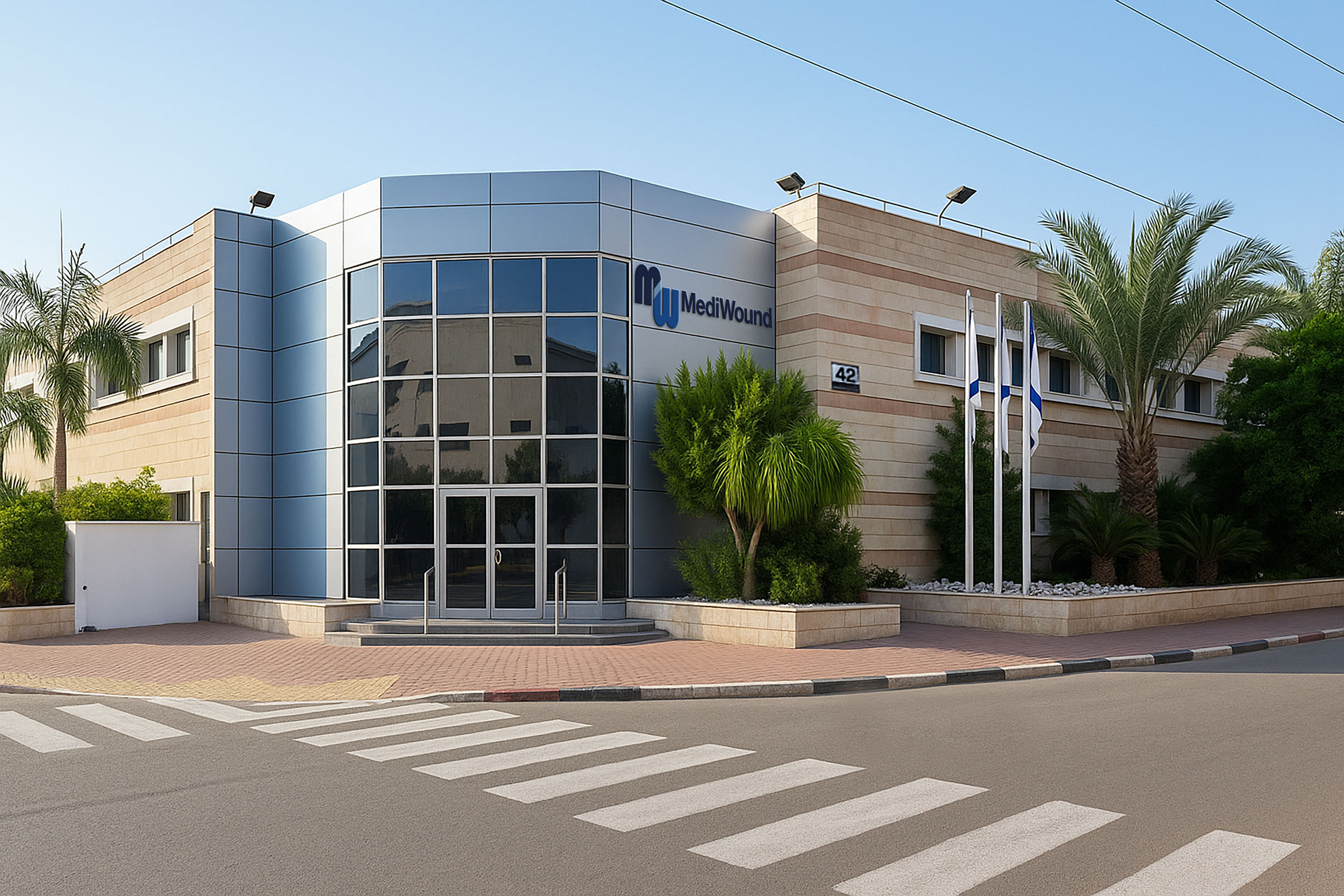
MediWound Completes Enrollment in NexoBrid® U.S. Phase 3 DETECT Study
Top-line acute data currently expected around year end 2018
YAVNE,
“We are happy to achieve this important milestone of completing the enrollment in NexoBrid Phase 3 study, which is one of the most comprehensive randomized controlled studies ever conducted in burn care, and we believe it will support our Biological License Application (BLA) submission to the FDA,” said Gal Cohen, president and chief executive officer of
The DETECT study is a prospective, controlled, multi-national, assessor-blinded Phase 3 study with 175 patients randomized to be treated with either NexoBrid, gel vehicle or standard-of-care, in a ratio of 3-to-1-to-3, with follow-up periods at 12 months and at 24 months. The study’s objective is to evaluate the efficacy and safety of NexoBrid in removing burn eschar for hospitalized patients with severe burns. The study’s primary endpoint is complete eschar removal and will be tested against the gel vehicle arm. The study’s secondary endpoints are reduction in surgical burden, earlier eschar removal and reduced blood loss, which will be measured against the standard-of-care arm. Wound closure and long-term cosmesis are assessed as safety endpoints versus the standard-of-care arm to document no deleterious effect. The US Phase 3 study is fully funded by the
About NexoBrid
NexoBrid is an efficacious, topically administered eschar removal agent that has been investigated in completed Phase 2 and Phase 3 clinical studies, by more than 100 leading burn specialists in over 550 patients from 15 countries around the world. In the recent European Phase 3 study, the incidence of successful eschar removal with NexoBrid was 96.3% whereas in two Phase 2 studies conducted in the U.S., the gel vehicle incidence of successful eschar removal was zero percent. In addition, in the European Phase 3 study, NexoBrid reduced surgical burden (incidence of excisions performed 24.5% in NexoBrid vs. 70.0% in standard of care, p<0.0001); provided earlier eschar removal (2.2 days vs. 8.7 days from injury, p<0.0001); and reduced debridement procedural blood loss (mmol/L change in Hemoglobin 0.52 vs. 1.04, P=0.0061).
About
For more information, please visit www.mediwound.com.
Cautionary Note Regarding Forward-Looking Statements
This release includes forward-looking statements within the meaning of Section 27A of the U.S. Securities Act of 1933, as amended, Section 21E of the US Securities Exchange Act of 1934, as amended, and the safe harbor provisions of the U.S. Private Securities Litigation Reform Act of 1995. Forward-looking statements are statements that are not historical facts, such as statements regarding assumptions and results related to the regulatory authorizations and launch dates. In some cases, you can identify forward-looking statements by terminology such as “believe,” “may,” “estimate,” “continue,” “anticipate,” “intend,” “should,” “plan,” “expect,” “predict,” “potential,” or the negative of these terms or other similar expressions. Forward-looking statements are based on MediWound’s current knowledge and its present beliefs and expectations regarding possible future events and are subject to risks, uncertainties and assumptions. Actual results and the timing of events could differ materially from those anticipated in these forward-looking statements as a result of several factors. In particular, you should consider the risks discussed under the heading “Risk Factors” in our annual report on Form 20-F for the year ended
| Contacts: | |
| Sharon Malka | Bob Yedid |
| Chief Financial and Operations Officer | Managing Director |
| MediWound Ltd. | LifeSci Advisors |
| ir@mediwound.co.il | 646-597-6989 |
| bob@lifesciadvisors.com | |
Source: MediWound Ltd.